Introduction
The Israeli-Palestinian conflict has been a long-standing issue marked by violence, territorial disputes, and humanitarian concerns.
While incidents of violence, including Israeli airstrikes on Palestinians, have drawn international attention and condemnation, the response from the international community and the International Criminal Court (ICC) has been complex and multifaceted.
Understanding the factors behind the lack of decisive action requires an exploration of historical, political, legal, and diplomatic dimensions.
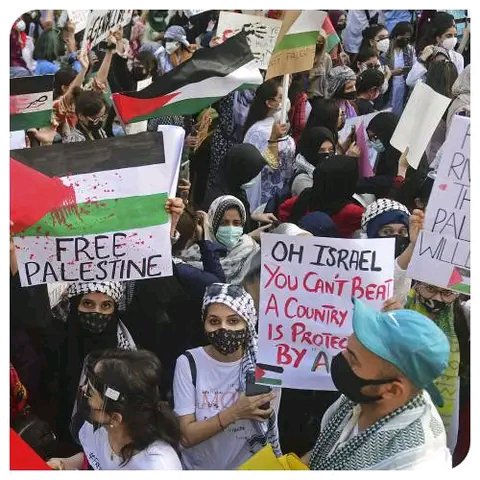
1.Historical Context
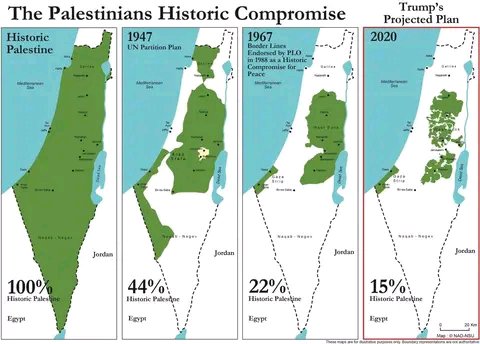
The Israeli-Palestinian conflict traces back to the mid-20th century, with both sides having deep-rooted historical narratives and claims to the land.
The complex history of the region, marked by wars, negotiations, and broken agreements, has created a situation where finding a lasting resolution is extremely challenging.
2. Political Considerations
Global politics often play a significant role in shaping responses to conflicts.
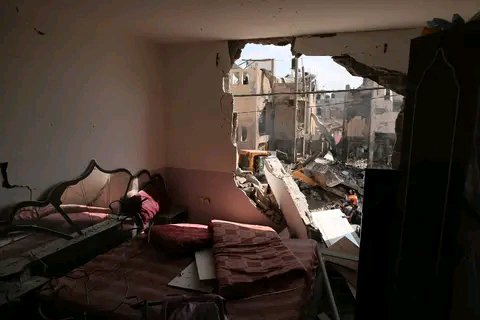
Some countries have close diplomatic ties and alliances with Israel, which can influence their stance on the conflict.
These alliances may lead to reluctance in taking strong actions against Israel, especially when it comes to matters that could be perceived as directly challenging its sovereignty.
Similarly, the Palestinian cause has also garnered support from various nations, leading to geopolitical divides that can impact the international response.
These divisions often result in differing interpretations of the conflict, making it difficult for the international community to present a united front.
3. Legal Challenges
The legal aspects of the conflict are complex and are interpreted differently by various international bodies.
While some argue that certain actions by Israel could constitute violations of international humanitarian law, there are differing opinions on the extent to which these actions meet the criteria for war crimes or crimes against humanity.
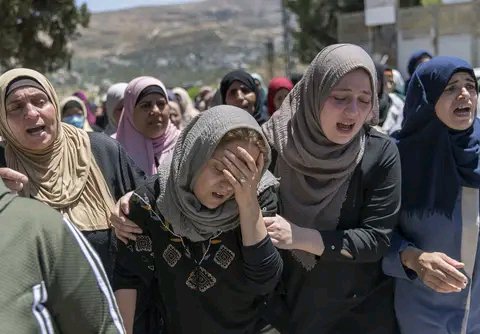
This divergence in legal interpretations can hinder the establishment of clear accountability measures.
4. Diplomatic Efforts
Numerous attempts at diplomacy and negotiation have been made to address the Israeli-Palestinian conflict.
However, the lack of progress in reaching a comprehensive and lasting solution has frustrated many international actors.
This frustration can, at times, result in limited international action due to a perception that efforts might be futile.
5. Humanitarian Concerns
The humanitarian toll of the conflict cannot be ignored.
Civilian casualties and displacement raise concerns about the wellbeing of Palestinians caught in the crossfire.
International organizations like the United Nations and non-governmental organizations provide aid and support, but the complexities of the situation can hinder effective intervention.
Also read
- Kenya’s Security Under Siege: Border Tensions, Internal Cracks, and the Perceived Decline of the KDF
- Sexual Humiliation and Abuse of Palestinian Detainees: The Role of Female Soldiers in Documented and Alleged Case
- Political Tension Rises as Ruto Bold Plan Targeting Matiang’i’s Backyard is Revealed
- Haiti Backs U.S.-Supported Plan to Expand Security Mission Against Gangs
- Is It Time for America to Embrace a Third Major Party?
Conclusion
The lack of decisive action against Israel for its actions in the Israeli-Palestinian conflict is a complex issue that encompasses historical, political, legal, diplomatic, and humanitarian dimensions.
The intricacies of the conflict, combined with varying perspectives on international law and geopolitical considerations, contribute to the challenges in pursuing concrete measures of accountability.
As the conflict continues to evolve, it remains a sobering reminder of the difficulties inherent in resolving deeply entrenched disputes in a world characterized by complex global dynamics.
Join our WhatsApp channel today for daily updates.

 e.news
Leave a comment