Yet, not everyone is pleased with these developments. Kenyan President Dr. William Ruto has emerged as a vocal critic of the coups.
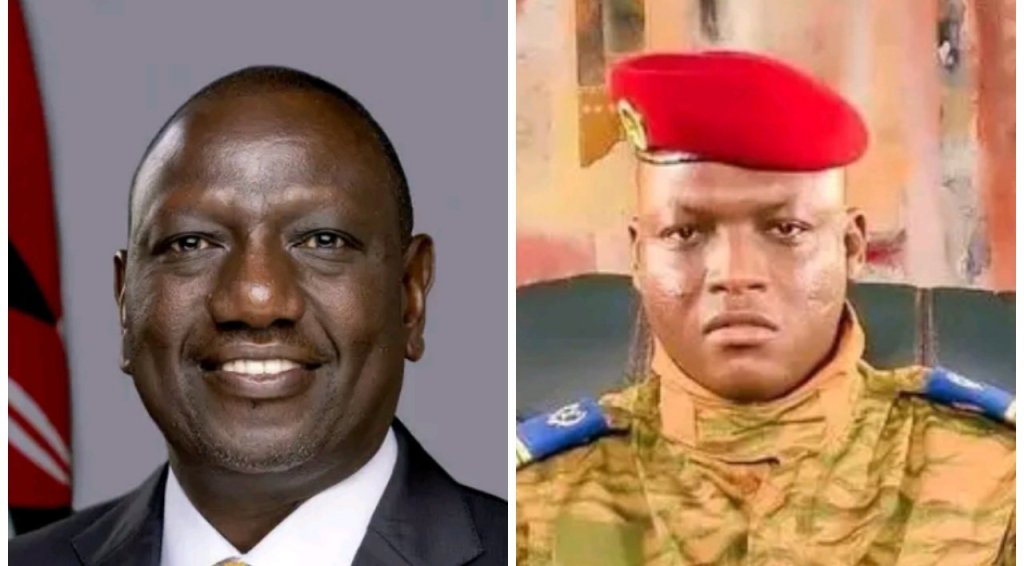
In recent years, West Africa has witnessed a surprising and concerning trend – the rise of military coups. The region, once hailed for its progress towards democracy, is now facing a pivotal moment in its political history. This article delves into the current state of democracy in West Africa, explores the dynamics of the military coups, and examines the intriguing clash between Kenyan President William Ruto and Burkina Faso’s leader, Captain Ibrahim Traore.
A Surge in Military Coups
West Africa, a region historically known for its democratic aspirations, has experienced an alarming surge in military coups. In the past four years, four nations – Burkina Faso, Mali, Guinea, and Niger – have witnessed military takeovers. Led by charismatic figures such as Captain Ibrahim Traore, Colonel Assimi Goïtta, Colonel Mamady Doumbouya, and General Omar Tchiani, these coups have captured the hearts of their citizens.
Citizens’ Support for Coups
Perhaps the most astonishing aspect of these coups is the resounding support they’ve garnered from the local population. Frustrated with democratically elected leaders accused of bad governance and corruption, citizens have taken to the streets in support of military intervention.
Kenya’s President William Ruto’s Involvement
Yet, not everyone is pleased with these developments. Kenyan President Dr. William Ruto has emerged as a vocal critic of the coups. Ruto’s increasing involvement in West African affairs has raised eyebrows, particularly due to the success of these military takeovers. His call for West African countries to intervene in Niger, a stance in stark contrast to Traore’s support for the coups, has led to a tense standoff between the two leaders.
Kenya’s Complex Position
Kenya’s position in these coups is indeed complex. Despite having a comparatively small military force in East Africa and facing persistent threats from groups like Al-Shabaab, Kenya controversially offered military personnel to the United States for intervention in Haiti. This move has fueled speculation about Kenya’s alignment with Western powers.
Saving West Africa from Western Influence
Ultimately, these military coups raise questions about the influence of Western powers in African politics. Some argue that these takeovers are attempts by African nations to reclaim sovereignty and resist foreign intervention. The citizens’ enthusiasm for change and the clashes between leaders like Ruto and Traore underscore the complexities of this evolving political landscape.
In a region once celebrated for its democratic progress, West Africa now stands at a crossroads, with military coups reshaping its political dynamics and sparking debates about sovereignty and foreign influence. The world watches as West African nations navigate these turbulent waters, seeking a path that aligns with their own vision of governance.

 e.news
Leave a comment