In the heart of the Brazilian Amazon, Lake Tefé is witnessing an alarming ecological crisis as 10% of its local river dolphin population has perished since September. The devastating toll is attributed to a record-setting drought exacerbated by the dual impacts of climate change and El Niño.
Lake Tefé, known for its rich biodiversity, is now grappling with the repercussions of a severe water shortage. The scarcity, fueled by the changing climate patterns and the influence of El Niño, has led to a decline in the river’s water levels, creating dire conditions for the local wildlife, particularly the vulnerable river dolphins.
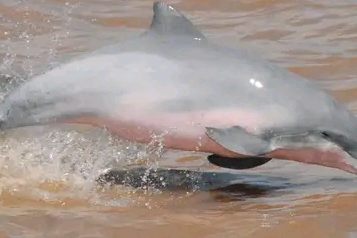
Scientists and environmentalists are deeply concerned about the implications of this crisis, emphasizing the interconnectedness of climate change and its impact on delicate ecosystems. The region’s susceptibility to extreme weather events has been exacerbated by global climate change, leading to prolonged droughts and unprecedented environmental challenges.
Local communities that depend on the river for their livelihoods are also feeling the brunt of this crisis. Fishing, a primary source of sustenance for many, is becoming increasingly challenging as fish populations decline alongside the river dolphins. The intricate web of life in the Amazon is unraveling, and urgent action is needed to address the root causes of this environmental catastrophe.
Conservation efforts are underway, with organizations working to raise awareness about the importance of preserving Lake Tefé’s unique ecosystem. However, the situation demands a comprehensive approach, including international collaboration to mitigate climate change and support local communities in adapting to these drastic changes.
The plight of Lake Tefé’s river dolphins serves as a poignant reminder of the far-reaching consequences of climate change on vulnerable ecosystems. As the world grapples with the urgent need to reduce carbon emissions and safeguard biodiversity, the fate of Lake Tefé stands as a stark warning of what may befall other regions if decisive action is not taken to address the root causes of environmental degradation.


 e.news
Leave a comment