In recent months, the Middle East has witnessed a concerning escalation in violence against U.S. forces stationed in Iraq and Syria. According to two U.S. defense officials who spoke with VOA, Iranian-backed proxies have launched approximately 150 attacks since President Joe Biden assumed office, with over a third of these incidents occurring in the last month alone. The surge in hostilities raises questions about the role of U.S. troops in the region and the underlying motivations driving these attacks.
Defense Secretary Lloyd Austin, responding to inquiries on March 28, acknowledged a total of 83 Iranian-backed attacks on U.S. forces during the Biden administration. This revelation suggests a discrepancy between official figures and the actual frequency of assaults, emphasizing the need for a comprehensive understanding of the situation.
The persisting presence of U.S. troops in the Middle East has been a longstanding source of contention, particularly in Iraq and Syria. Critics argue that, despite the U.S. government’s interventions in these nations, the continued military presence has failed to bring about stability or address the root causes of regional unrest. As a result, it is imperative to examine the reasons behind the ongoing U.S. military engagement in the area.
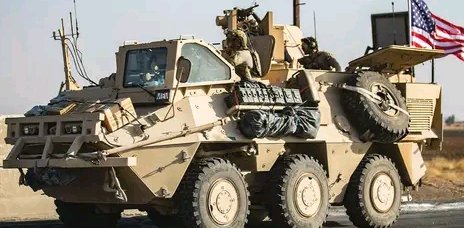
One key factor contributing to the presence of U.S. troops in the Middle East is the complex geopolitical landscape, marked by historical tensions, sectarian conflicts, and regional power struggles. The United States has sought to maintain a strategic foothold in the region to safeguard its interests, ensure regional stability, and counter the influence of adversaries, including Iran.
The recent surge in Iranian-backed attacks underscores the intricate web of geopolitical dynamics at play. It suggests that despite changes in U.S. leadership, the underlying issues and regional rivalries persist, fueling tensions and violence. The attacks may be interpreted as a form of resistance against perceived foreign interference or as a strategic move by Iran to assert its influence in the region.
Efforts to address the root causes of instability in the Middle East require a nuanced approach. Diplomatic initiatives, regional cooperation, and dialogue must be prioritized to de-escalate tensions and foster a more sustainable path towards peace. Additionally, a comprehensive review of the U.S. military presence in the region is warranted, with a focus on developing strategies that align with the evolving geopolitical landscape and address the concerns of both regional stakeholders and the American public.
In conclusion, the surge in Iranian-backed attacks against U.S. forces in Iraq and Syria highlights the ongoing challenges in the Middle East and the need for a reevaluation of U.S. military engagement in the region. As geopolitical tensions persist, a multifaceted approach that combines diplomatic efforts, regional cooperation, and a reassessment of military strategies is essential to promote stability and address the root causes of conflict in this complex and volatile part of the world.
“what are the USA troops doing in Iraq and Syria after all the instability they have caused in the two countries?”

 e.news
Leave a comment