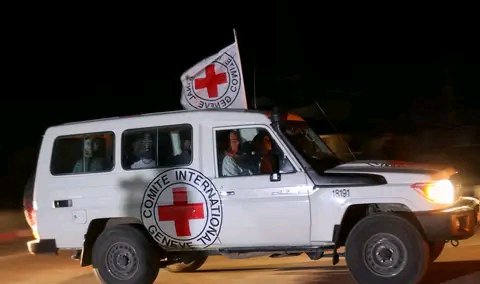
In a recent deal involving the release of individuals held by Hamas in the Gaza Strip, a stark disparity emerges. All those released so far are reported to be civilian women and children, leaving the fate of soldiers and adult civilian males in deep uncertainty.
The release of civilian women and children hints at a complex web of negotiations and geopolitical considerations. While the return of any hostages is a relief, the uneven nature of the releases raises questions about the criteria determining who is freed.
Hamas, designated as a terrorist organization by several countries, including the United States and the European Union, has a history of using hostages as leverage in its conflicts. The recent release of civilian women and children suggests a strategic move to garner international sympathy, portraying themselves as making concessions for the sake of vulnerable populations.
The fate of soldiers and adult civilian males, however, remains shrouded in uncertainty. The lack of information raises concerns about the conditions these individuals may be facing and the challenges involved in negotiating their release. Families anxiously await news, hoping for a resolution that brings their loved ones home safely.
International stakeholders must closely monitor the situation, urging transparency in the negotiation process and emphasizing the importance of a comprehensive and just resolution. The unequal release of hostages underscores the complexity of dealing with groups like Hamas and the need for a nuanced approach to address the diverse circumstances of those held in captivity.
As the world watches, the plight of hostages in the Gaza Strip serves as a reminder of the ongoing challenges in the region and the imperative for diplomatic efforts to ensure the safe return of all individuals held against their will.

 e.news
Leave a comment