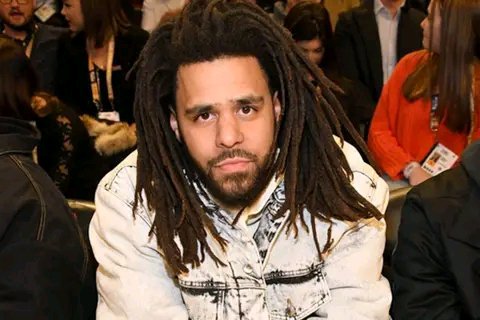
In the dynamic landscape of hip-hop, artists often find themselves under scrutiny, facing criticism that ranges from musical style to personal identity. One such artist who has been subject to controversy is J. Cole, accused by some of being a “boring rapper.” The crux of this argument revolves around the perception that J. Cole does not embody certain stereotypes associated with the black experience in America.
The Stereotype Challenge:
One prevalent critique is that J. Cole is not “black enough” because he doesn’t conform to stereotypes linked to criminality. This argument is problematic on multiple levels. It perpetuates harmful stereotypes that equate blackness with criminal behavior, overlooking the diversity within the black community. J. Cole’s decision to distance himself from these stereotypes should be viewed as a conscious effort to challenge and break free from harmful clichés, rather than a deficiency.
Understanding Black Pain and Trauma:
The criticism also suggests that J. Cole falls short in addressing themes of black pain and trauma in his music. However, a closer look at his discography reveals a nuanced exploration of societal issues, systemic injustices, and personal struggles. J. Cole’s authenticity lies in his ability to articulate these themes with a genuine and reflective approach, rather than resorting to overt sensationalism.
Beyond the Expected Narrative:
It’s crucial to recognize that black artists, like any other individuals, have diverse experiences that go beyond the expected narrative. J. Cole’s choice to focus on a range of topics, including love, self-discovery, and success, contributes to a more comprehensive representation of the black experience. Limiting an artist to a predefined set of topics is a disservice to the rich tapestry of black stories.
The Danger of Monolithic Expectations:
The critique faced by J. Cole underscores the danger of imposing monolithic expectations on artists based on their racial identity. Diversity should be celebrated, and artists should be allowed the freedom to explore a myriad of themes without being confined to predetermined notions of what it means to be black in the world of hip-hop.
In the ever-evolving landscape of hip-hop, it is essential to move beyond simplistic stereotypes and appreciate the diversity of voices within the genre. J. Cole’s alleged “boring” label seems rooted in an unfair expectation that he must conform to specific narratives. Instead of dismissing him based on these stereotypes, listeners should embrace the authenticity he brings to his craft, challenging preconceived notions and fostering a more inclusive understanding of black identity in hip-hop.
“subscribe to my newsletter for daily news updates.”⑨ⓘⓝⓔⓐⓢ

 e.news
Leave a comment