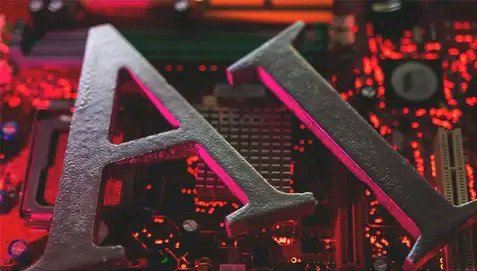
In a recent report by Indeed.com, it has been revealed that nearly all U.S. jobs, spanning diverse sectors such as truck driving, childcare, and software development, incorporate skills that can be complemented or even supplemented by Generative Artificial Intelligence (GenAI). GenAI refers to artificial intelligence capable of generating high-quality content based on the input data used for its training.
According to Cory Stahle, an economist at Indeed.com, the impact of AI is poised to reach every facet of employment to some extent. The report identifies that approximately one in five jobs, constituting 19.7% of the workforce, faces the highest risk of AI influence. Jobs in IT operations, mathematics, and information design fall into this category, with at least 80% of the required skills being achievable by GenAI.
However, it is crucial to dispel the notion that these technological advancements will inevitably lead to widespread job displacement. Michael Chui from the McKinsey Global Institute emphasizes that AI technologies seldom replace entire occupations. The scenario of a robot completely taking over someone’s job is deemed as rare. Chui suggests that rather than complete replacement, AI is more likely to augment and enhance existing job functions.
Also read
- Kenya’s Security Under Siege: Border Tensions, Internal Cracks, and the Perceived Decline of the KDF
- Sexual Humiliation and Abuse of Palestinian Detainees: The Role of Female Soldiers in Documented and Alleged Case
- Political Tension Rises as Ruto Bold Plan Targeting Matiang’i’s Backyard is Revealed
The report sheds light on the nuanced relationship between AI and employment, highlighting the importance of understanding that AI technologies act as collaborators rather than adversaries in the workplace. While certain tasks within jobs may be automated, the human touch, creativity, and decision-making capacities remain indispensable.
As industries evolve and embrace the capabilities of GenAI, there arises a need for a proactive approach to workforce development. Upskilling and reskilling initiatives become paramount to equip the workforce with the necessary competencies to collaborate effectively with AI systems. Rather than job displacement, the future of work seems to be a fusion of human capabilities and AI efficiencies, creating a symbiotic relationship that propels industries forward.
In conclusion, the integration of AI in the American workforce is inevitable, touching upon various job sectors. The key lies in adapting to this technological shift by embracing collaborative approaches that leverage the strengths of both human workers and GenAI, ensuring a future where innovation and productivity go hand in hand.

 e.news
Leave a comment