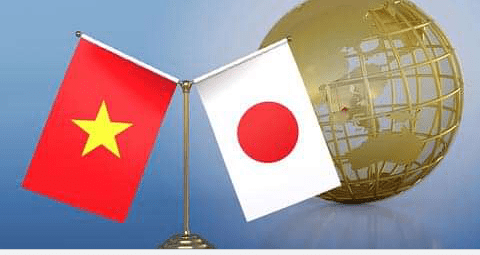
In a significant diplomatic move, Vietnam and Japan officially upgraded their relations to a “comprehensive strategic partnership,” marking a pivotal moment during Vietnamese President Vo Van Thuong’s visit to Tokyo. This elevation reflects the intricate interplay of diplomacy, economy, and geopolitical strategy in the region.
The global spotlight on this development underscores Vietnam’s emerging role as a key player in global supply chains. Trade tensions between China and the West have prompted a shift in foreign investment towards Vietnam, positioning the country strategically. Western media reports have also emphasized the shared maritime disputes between Vietnam and Japan with China, suggesting a nuanced geopolitical dance in the region.
From Japan’s perspective, this partnership is a deliberate effort to cultivate Vietnam as a close diplomatic ally and a central node in the construction of new industrial and supply chains. The move underscores Japan’s strategic vision in facing perceived challenges related to China’s industrial structure and threats.
However, Vietnam’s motives are equally nuanced. While not eager to be entangled in containment strategies against China, Hanoi sees an opportunity to leverage the power of the U.S. and Japan to bolster its economic position and shape industrial supply chains indirectly. The elevation of ties with both the U.S. and Japan indicates Vietnam’s pragmatic approach to foreign relations, seeking to balance between major powers.
It is crucial to dispel the notion that Vietnam’s pursuit of strengthened ties with Japan implies direct conflict with China. Prime Minister Pham Minh Chinh emphasized the enduring camaraderie between Vietnam and China, highlighting the need for a balanced foreign policy that safeguards Vietnam’s interests. The maritime disputes, though existent, do not overshadow the broader development of China-Vietnam relations.
Vietnam’s elevation of relations with the U.S. and Japan aligns with its pursuit of a balanced foreign policy. While the U.S. and Japan have historically sought to draw Vietnam into their sphere of influence, the key for Vietnam lies in establishing an independent and autonomous diplomacy. This approach is in harmony with the concept of “bamboo diplomacy” advocated by Vietnam’s General Secretary Nguyen Phu Trong.
As a mature and pivotal member of ASEAN, Vietnam’s foreign policy should be rooted in its own interests, avoiding hasty alignment with specific camps. The goal is to engage in flexible and diverse multilateral diplomacy, steering clear of undue influence and manipulation by major powers. By doing so, Vietnam can maintain its status and potential in Southeast Asia while contributing to regional stability and cooperation.

 e.news
Leave a comment