In a grim turn of events, Pakistan has been rocked by an overnight suicide bombing targeting a military convoy in the northwestern region of Bannu. The incident, which occurred on Sunday, resulted in the tragic loss of two civilians, with seven others and three soldiers sustaining injuries, according to a statement from the military’s media wing.
The assailant, described as a “motorcycle-borne suicide bomber,” detonated himself near the convoy, leaving behind a trail of destruction. The aftermath of the attack prompted an immediate response from the military, with a post-attack search operation initiated to root out any other potential threats in the area.
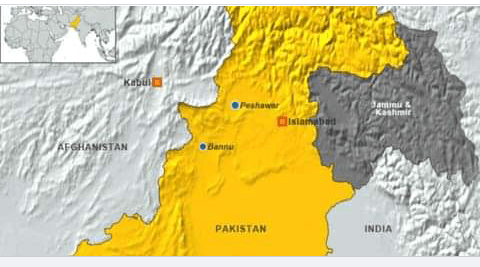
The bomber has been identified as an Afghan national affiliated with the Hafiz Gul Bahadur militant group, an anti-state organization closely associated with Afghanistan’s ruling Taliban. This revelation underscores the complex and interconnected web of extremist elements in the region, highlighting the transnational nature of these militant networks.
The attack serves as a stark reminder of the persistent security challenges faced by Pakistan, particularly in its northwestern provinces. Bannu, a garrison district in Khyber Pakhtunkhwa province, has witnessed its share of violence over the years, with incidents like these testing the resolve of the security forces and the local population.
The targeting of a military convoy indicates a direct assault on the country’s security apparatus, emphasizing the vulnerability of even well-guarded convoys to the ruthless tactics employed by extremist elements. The fact that civilians bore the brunt of this attack further amplifies the tragic consequences of such acts of terrorism.
As the nation grapples with the aftermath of this incident, the authorities have launched a comprehensive search operation to eliminate any remaining terrorists in the area. This underscores the commitment to not only respond to attacks but also to proactively neutralize potential threats, demonstrating a determination to maintain peace and security in the region.
The bomber’s affiliation with the Hafiz Gul Bahadur group raises questions about the cross-border dynamics between Pakistan and Afghanistan. The close ties between the assailant and the Taliban, the ruling power in Afghanistan, highlight the challenges in curbing the influence of militant organizations that transcend national boundaries.
In conclusion, the recent suicide bombing in Bannu serves as a tragic episode in Pakistan’s ongoing struggle against terrorism. It underscores the need for a concerted and collaborative approach, both domestically and internationally, to address the root causes of extremism and to strengthen security measures. The loss of innocent lives is a somber reminder that the fight against terrorism requires unwavering determination and a multifaceted strategy to ensure the safety and well-being of the people.

 e.news
Leave a comment