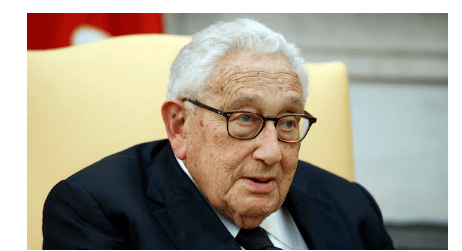
In a significant moment of reflection, the world mourns the passing of Dr. Henry Kissinger, the former U.S. Secretary of State known for his pivotal role in shaping American foreign policy during the Nixon and Ford administrations. Kissinger, a towering figure in international diplomacy, passed away at the age of 100 at his home in Connecticut, as confirmed by his consulting company, Kissinger Associates, Inc.
Throughout his extensive career, Dr. Kissinger left an indelible mark on global affairs, earning a reputation as one of the most influential and controversial foreign policy framers in postwar United States history. Born in Germany in 1923, Kissinger fled the Nazis with his family and later became a naturalized U.S. citizen, setting the stage for a remarkable journey in American politics.
Kissinger’s tenure as Secretary of State from 1973 to 1977 was marked by the pursuit of détente with the Soviet Union and the opening of diplomatic relations with China. His diplomatic efforts earned him the Nobel Peace Prize in 1973 for his role in the Vietnam War ceasefire negotiations. However, his legacy is equally defined by controversy, particularly concerning the U.S. involvement in Latin America and allegations of human rights violations.
“Dr. Henry Kissinger, a respected American scholar and statesman, died today at his home in Connecticut,” Kissinger Associates, Inc. said in a statement Wednesday.
In the realm of international relations, Kissinger was recognized for his realpolitik approach, emphasizing practical considerations and power dynamics over ideological principles. This approach, while praised for its pragmatism, drew criticism for its perceived lack of moral considerations.
Kissinger’s impact extended beyond his official roles, as he continued to shape global discourse through his writings and consultancy work. His insights on geopolitics and foreign policy continued to be sought after long after his official retirement from government service.
As news of Kissinger’s passing continues to unfold, it prompts reflections on the complexities of his legacy. Supporters laud his strategic acumen and diplomatic achievements, while critics scrutinize the ethical dimensions of his decisions.
The death of Henry Kissinger marks the end of an era, inviting a nuanced examination of the man whose influence resonated far beyond his time in office. As the world pays tribute to a figure who shaped the course of modern history, the debate over the impact and consequences of his foreign policy decisions will undoubtedly endure, ensuring that Dr. Henry Kissinger remains a subject of scholarly and public discourse for years to come.

 e.news
Leave a comment