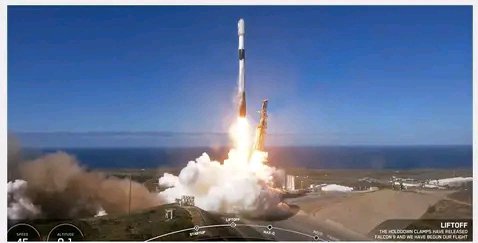
In a significant development on December 1, 2023, South Korea successfully launched its inaugural military spy satellite from Vandenberg Space Force Base in California. The images captured during the launch, provided by SpaceX, shed light on the nation’s growing prowess in space technology.
This milestone comes just over a week after North Korea made claims of successfully deploying its first-ever spy satellite into orbit. The parallel space endeavors of the two neighboring nations have intensified existing geopolitical tensions, adding a new dimension to their rivalry.
South Korea’s foray into space-based military capabilities marks a strategic move, enhancing its surveillance and reconnaissance capabilities. The newly launched spy satellite is expected to bolster national security by providing advanced intelligence gathering capabilities.
The decision to launch a military spy satellite underscores South Korea’s commitment to staying ahead in the technological race and maintaining a vigilant stance in the region. As nations increasingly recognize the strategic importance of space, the ability to deploy and manage satellites for various purposes, including defense, has become a crucial aspect of national security.
The timing of South Korea’s satellite launch, following closely on the heels of North Korea’s own satellite deployment claim, adds an intriguing layer to the geopolitical landscape. The space race between the two Koreas not only showcases their technological advancements but also raises concerns about the potential militarization of space in the region.
While both nations frame their satellite programs as peaceful endeavors for scientific and communication purposes, the military applications of such satellites cannot be overlooked. The ability to monitor activities from space provides a significant advantage in terms of national defense and intelligence gathering.
The international community will undoubtedly scrutinize these developments, as the space race between the two Koreas introduces a new dynamic to an already complex geopolitical situation. The implications of such advancements extend beyond the immediate region, influencing global perceptions of space as a contested domain.
As South Korea celebrates its successful satellite launch, questions linger about the future trajectory of space-related activities in the Korean Peninsula. Will this lead to an escalation in military space capabilities, or could it potentially open avenues for diplomatic dialogue amidst the broader geopolitical challenges?
In an era where technological advancements intertwine with geopolitical maneuvering, the space race between South and North Korea serves as a poignant reminder of the evolving nature of conflicts in the 21st century. The watchful eyes of the world now turn towards the skies, where satellites become silent sentinels in a geopolitical theater that extends beyond terrestrial boundaries.

 e.news
Leave a comment