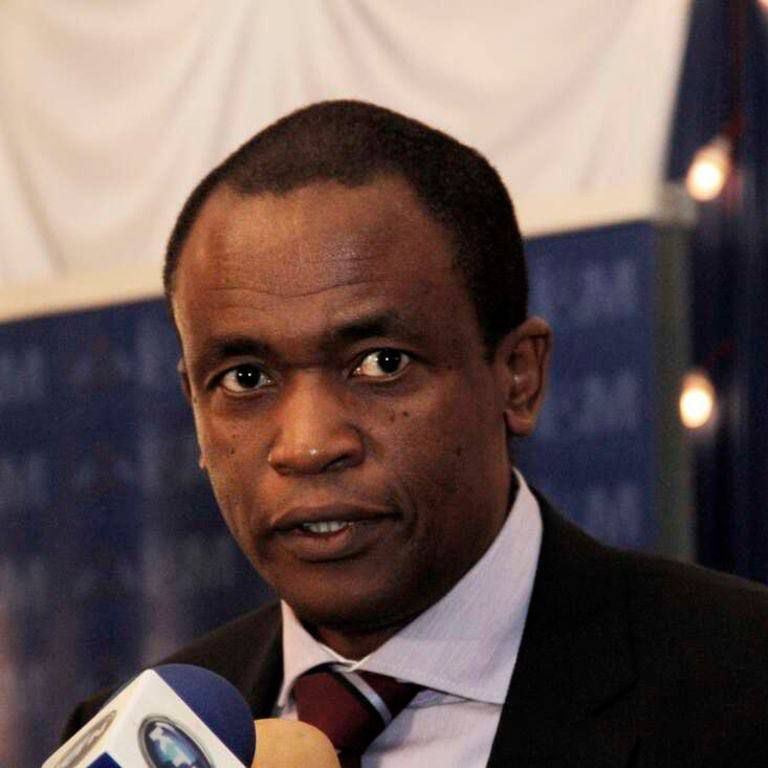
In a surprising turn of events, Haron Sirima, the Director General of Public Debt Management at Kenya’s Treasury, has announced his resignation, paving the way for a new generation of leaders. Sirima, a former deputy governor of the Central Bank of Kenya (CBK), has been at the forefront of managing the country’s debt since June 2018.
The decision comes on the heels of a controversial statement made by Sirima to the Business Daily, where he indicated that Kenya would not fulfill its promise of an early Eurobond repayment in December. This revelation added fuel to the ongoing concerns about the nation’s economic stability, given its staggering national debt, now standing at Sh10 trillion.
Sirima’s departure spotlights the challenges faced by Kenya, with nearly 50% of its tax revenues allocated towards servicing the existing debt. This financial strain has triggered discussions about the sustainability of the country’s debt management strategies and the urgent need for fiscal reforms.
The timing of Sirima’s resignation also coincides with political tensions, as evidenced by President William Ruto’s recent plea for young politicians to ease the pressure surrounding the political succession. Ruto’s comments were specifically directed at Kiharo Member of Parliament, Ndidi Nyoro, who has been vocal in asserting that Rigathi Gachagua is unfit to lead the nation.
The confluence of economic uncertainty and political dynamics underscores the challenges faced by Kenya’s leadership. As the nation grapples with the economic fallout from the COVID-19 pandemic and seeks to recover, the resignation of a key figure like Sirima raises questions about the government’s ability to navigate these complex issues effectively.
The spotlight is now on the incoming leadership tasked with managing the country’s financial affairs. The call for “young blood” suggests a desire for fresh perspectives and innovative solutions to address the economic challenges at hand. The new appointee will have the formidable task of steering Kenya towards economic stability while ensuring that the promises made, such as Eurobond repayments, are met to bolster investor confidence.
In the broader context, Sirima’s resignation serves as a reminder of the delicate balance between political and economic considerations. The nation watches with anticipation as Kenya undergoes a transition in its financial leadership, hoping for a strategic and prudent approach to overcome the current economic hurdles and set a course for sustained growth.

 e.news
Leave a comment