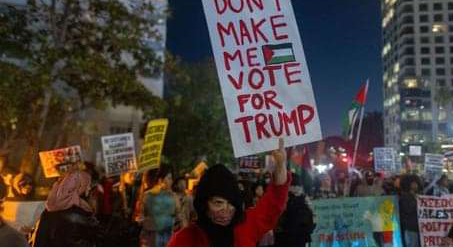
In recent times, the Biden administration has encountered difficulties in engaging with Arab American and Muslim leaders, raising questions about the inclusivity of its approach. Surprisingly, no Muslim or Arab American groups have officially endorsed President Biden’s reelection bid, shedding light on growing discontent within these communities.
The apparent reluctance of Arab American and Muslim leaders to meet with White House officials has been attributed to the ongoing support for Israel’s actions in the conflict with Palestinians, particularly in Gaza. Critics argue that the Biden administration’s stance on Israel has contributed to strained relations with these communities, as they perceive the continued support as an endorsement of what they view as atrocities against Palestinians.
As the United States gears up for elections later this year, the lack of endorsements from Muslim or Arab American groups poses a potential challenge for President Biden’s reelection campaign. These communities, which have historically played influential roles in American politics, are signaling their discontent by withholding support, a move that could have political ramifications.
The situation underscores the importance of foreign policy decisions in shaping domestic political landscapes. President Biden’s approach to the Israel-Palestine conflict has become a focal point of criticism, with some arguing that a recalibration of the administration’s stance is necessary to rebuild trust and foster meaningful dialogue with Arab American and Muslim communities.
It is essential for the Biden administration to address these concerns and engage in open conversations with representatives from these communities to bridge the growing gap. Failure to do so may not only impact the upcoming elections but also have broader implications for the administration’s ability to foster diverse and inclusive relationships with various ethnic and religious groups.
In the coming months, the eyes of the nation will be on how the Biden administration navigates these challenges and whether it can successfully reconcile its foreign policy decisions with the expectations and values of Arab American and Muslim communities. The dynamics between the White House and these groups will undoubtedly play a crucial role in shaping the political landscape leading up to the United States elections.

 e.news
Leave a comment