In the war-torn region of Gaza, Palestinian women demonstrate unwavering strength and resilience as they persistently embrace the hijab, not only as a religious symbol but also as a shield of modesty during perilous times.
Dana Al Ghossain, a Palestinian mother, proudly asserts, “Wearing the hijab is a source of pride for me, and I steadfastly embrace it.” For these women, the hijab is not merely a religious or cultural garment; it becomes a symbol of identity and an emblem of resilience in the midst of conflict.
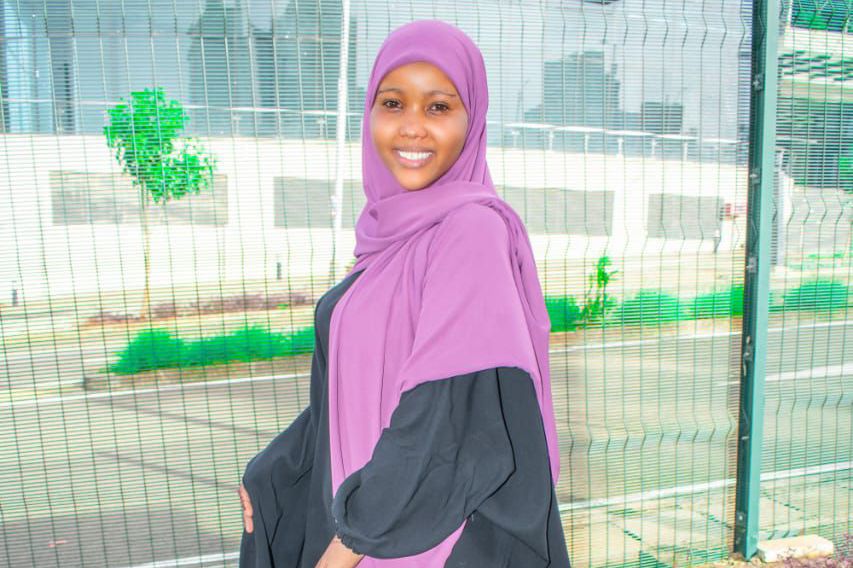
Even as Israel’s relentless bombings persist, Palestinian women in Gaza choose to wear the hijab, a testament to their steadfast faith and determination. Remarkably, some go as far as donning the hijab even to bed, reflecting the harsh reality of living under constant threat, where the prospect of fleeing their homes looms large.
Safa, a mother who fled from Gaza to Rafah, explains, “When we need to flee from sudden bombings, we want to be prepared with our modest attire for any situation.” In the face of displacement and uncertainty, these women find solace in the familiar fabric that symbolizes their faith and resilience.
Traditionally reserved for prayers or donned hastily when unexpected guests arrive, the hijab takes on a new significance during times of conflict. What is typically a domestic garment becomes a shield of modesty against the chaos and devastation of war. Palestinian women, facing the constant threat of bombardment, wear the hijab as a protective measure, ensuring their modesty even in the direst circumstances.
Eman Shanti, a Palestinian woman from Gaza, describes these prayer clothes as their “official uniform in an emergency.” In a region marked by conflict, the hijab transforms into more than a religious or cultural garment; it becomes a symbol of solidarity, strength, and preparedness for the unforeseen challenges that may arise.
In the face of adversity, Palestinian women stand united in their commitment to the hijab, not only as a religious practice but as a powerful statement of resilience. Their choice to uphold this tradition, even in the most challenging circumstances, speaks volumes about the strength of their faith, their determination to preserve their identity, and their unwavering commitment to modesty in the midst of conflict.

 e.news
Leave a comment