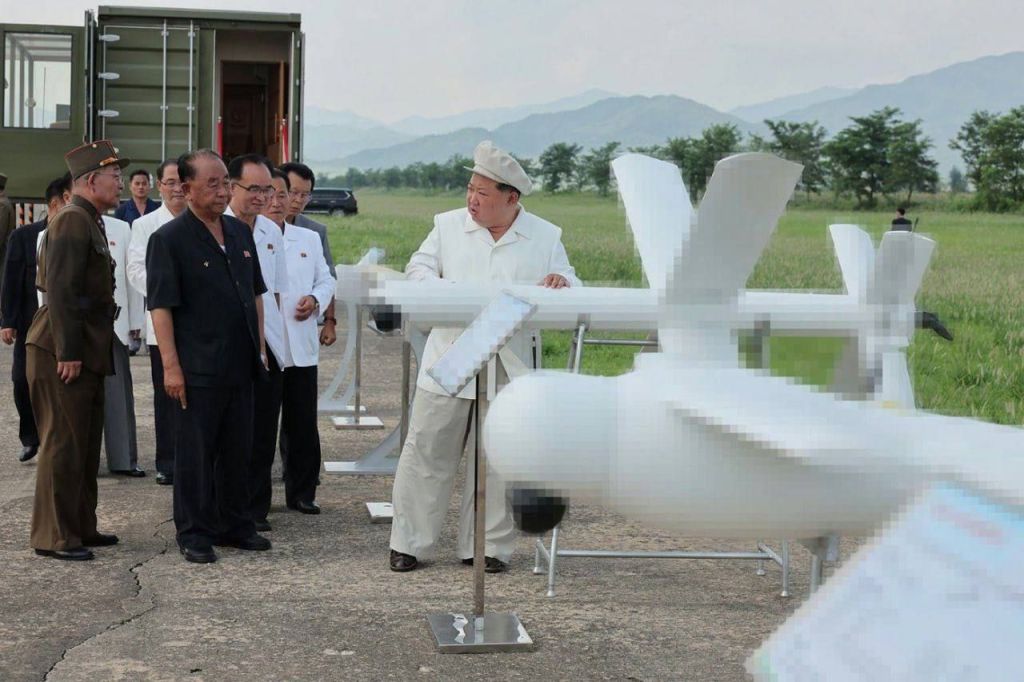
In a bold move, North Korea has reportedly launched a new kamikaze drone, raising alarms across various geopolitical arenas. Speculation is rife that this drone, reminiscent of Israel’s Harop, which was downed in Lebanon years ago, could soon find its way into active conflict zones, potentially shifting the balance of power.
A Reverse-Engineered Threat?
Analysts have noted striking similarities between North Korea’s latest drone and the Israeli Harop. The Harop, a loitering munition known for its precision and effectiveness, was downed in Lebanon, potentially providing adversaries with an opportunity to reverse-engineer the technology. North Korea’s penchant for adopting and adapting foreign technologies adds credence to the theory that this new drone could be a product of such efforts.
Implications for Russia’s War in Ukraine
Russia’s ongoing war in Ukraine has seen the Kremlin increasingly reliant on drone technology, both for reconnaissance and direct strikes. The introduction of North Korea’s kamikaze drone could offer Moscow a new tool to intensify its offensive capabilities. These drones, if deployed in Ukraine, could be used to target critical infrastructure, military installations, or even civilian areas, following patterns seen with Iranian-supplied drones like the Shahed series.
Given the historical ties between Russia and North Korea, it wouldn’t be far-fetched to see these drones being transferred to Russian forces. This move would not only bolster Russia’s arsenal but also signal a deepening of military cooperation between the two nations, further complicating the global diplomatic landscape.
A New Threat in the Middle East?
The Middle East, particularly areas influenced by the Islamic Revolutionary Guard Corps (IRGC), could also see the deployment of these drones. IRGC-backed proxies, such as Hezbollah and Houthi rebels, have previously utilized drone technology to conduct attacks against regional adversaries, including Israel and Saudi Arabia. The introduction of a North Korean-designed kamikaze drone could enhance their operational capabilities, enabling more precise and devastating attacks.
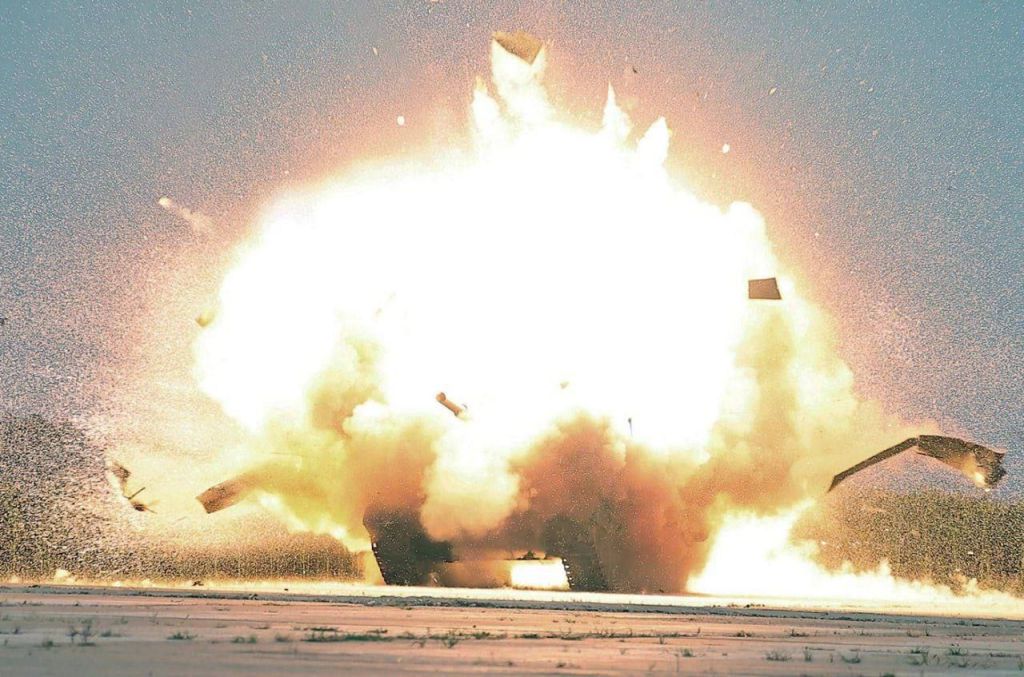
This potential proliferation of North Korean drone technology to IRGC proxies poses a significant threat to the stability of the region. Israel, which has been at the forefront of countering drone threats, may find itself facing a new, more sophisticated challenge. Similarly, Gulf States, particularly Saudi Arabia and the UAE, could see an escalation in drone attacks on their territories, exacerbating the already volatile security situation in the region.
Global Security Concerns
The launch of North Korea’s new kamikaze drone underscores the growing complexity of global security threats. The potential use of this technology by both Russia in Ukraine and IRGC proxies in the Middle East highlights the interconnected nature of modern conflicts. As drone technology continues to evolve and spread, the risk of escalation in these and other regions becomes more pronounced.
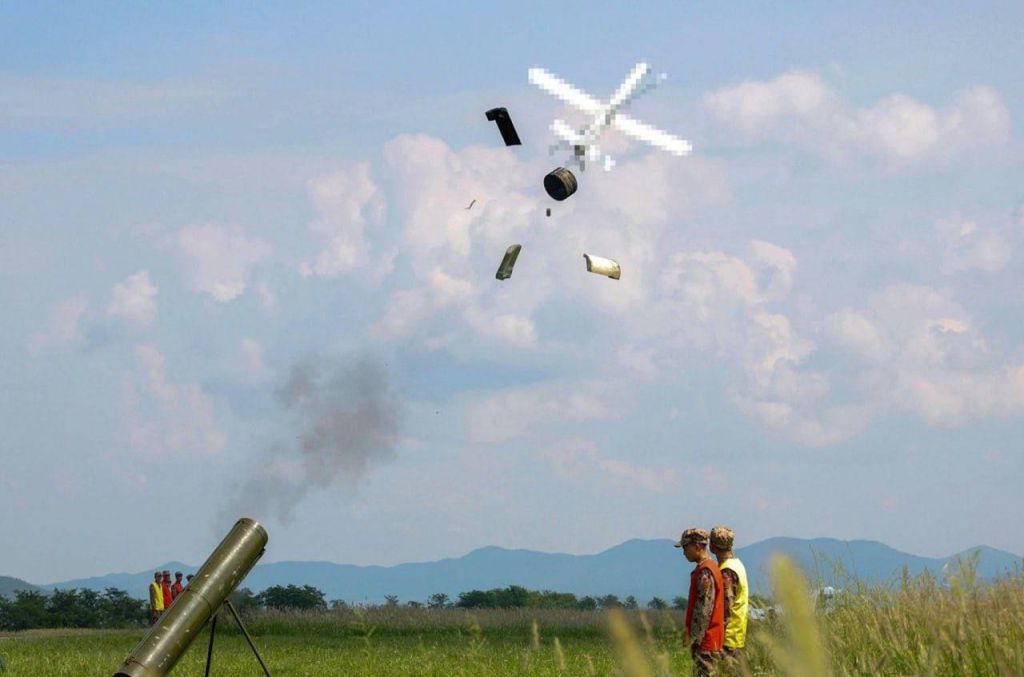
In response, nations targeted by these drones may need to invest heavily in counter-drone technologies and strategies. The global community, too, must consider new diplomatic and economic measures to curb the spread of such dangerous technologies, particularly from rogue states like North Korea.
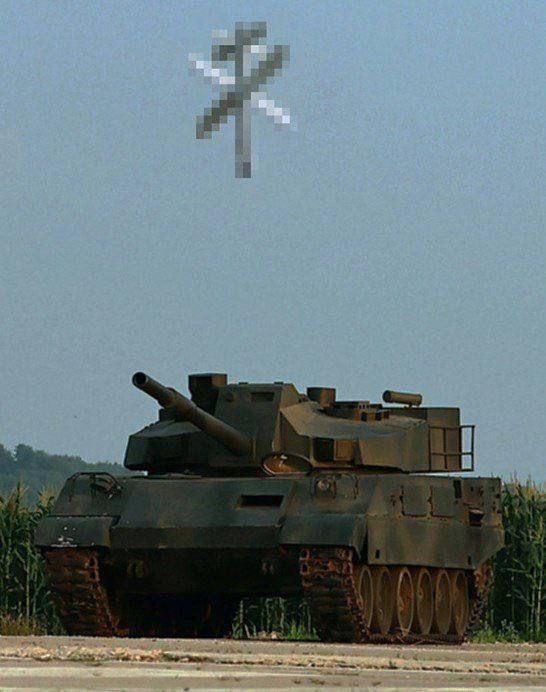
The introduction of North Korea’s kamikaze drone marks a significant development in global military technology. Its potential deployment in Ukraine and the Middle East could have far-reaching consequences, fueling conflicts and destabilizing already fragile regions. As the world watches, the need for effective countermeasures and international cooperation has never been more urgent.

 e.news
Leave a comment