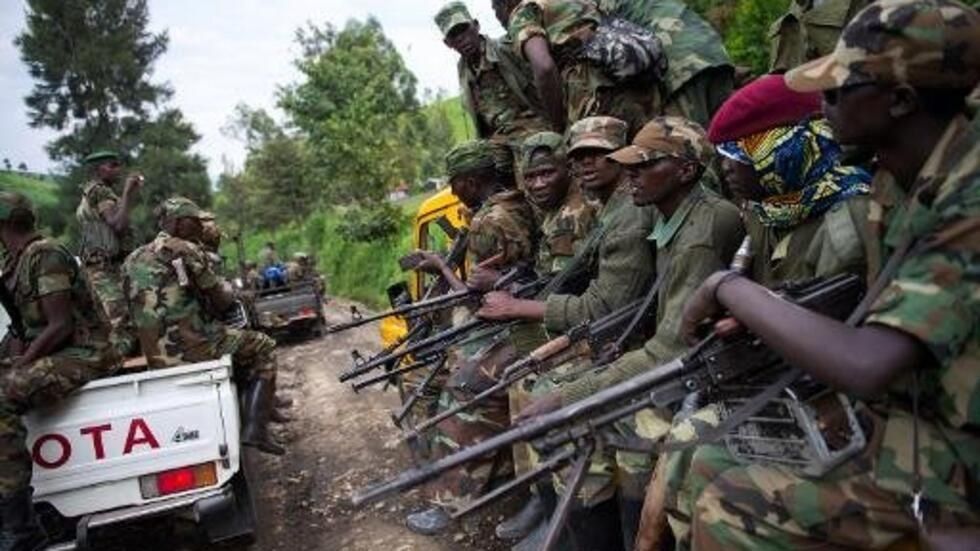
In a significant escalation of tensions, the Democratic Republic of Congo (DRC) has announced plans to sue Rwanda at the East African Court of Justice (EACJ) in Arusha. The lawsuit, set to be filed on September 26, stems from accusations that Rwanda has violated DRC’s sovereignty, committed atrocities against civilians, and breached international law amid the ongoing conflict in eastern Congo.
The DRC’s decision to pursue legal action follows ongoing accusations that Rwanda has played an active role in destabilizing eastern Congo. The region has long been plagued by armed violence, with over 120 groups vying for power, control over land, and access to valuable mineral resources. Some of these groups have been accused of carrying out mass killings and other atrocities, further exacerbating the humanitarian crisis in the area.
While Rwanda denies these allegations, it effectively admitted in February that it has stationed troops and missile systems in eastern Congo. Rwanda claims these measures are necessary to protect its security interests, citing a buildup of Congolese forces near the border as a potential threat.
The move to take Rwanda to the EACJ comes after efforts by Samuel Mbemba, the Congolese Deputy Minister of Justice, to push the court into addressing the case. This legal battle at the EACJ is not Rwanda’s only legal challenge; the country is also facing charges before the African Court on Human and Peoples’ Rights.
The situation in eastern Congo is complex and deeply rooted in historical tensions, with the presence of numerous armed groups adding layers of difficulty to any resolution efforts. The region’s rich mineral resources, including gold, diamonds, and coltan, have long fueled conflict as various factions fight for control over these lucrative assets.
The DRC’s decision to take legal action against Rwanda highlights the growing frustration and desperation in Kinshasa to find a solution to the persistent instability in its eastern provinces. This lawsuit, if accepted by the EACJ, could mark a turning point in the regional dynamics and bring increased international scrutiny to Rwanda’s role in the conflict.
As the DRC and Rwanda prepare to face off in court, the outcome of this legal confrontation could have far-reaching implications for the future of peace and security in the Great Lakes region. The international community will be watching closely as this case unfolds, hoping that it may bring some measure of justice and accountability to a region that has suffered for far too long.

 e.news
Leave a comment