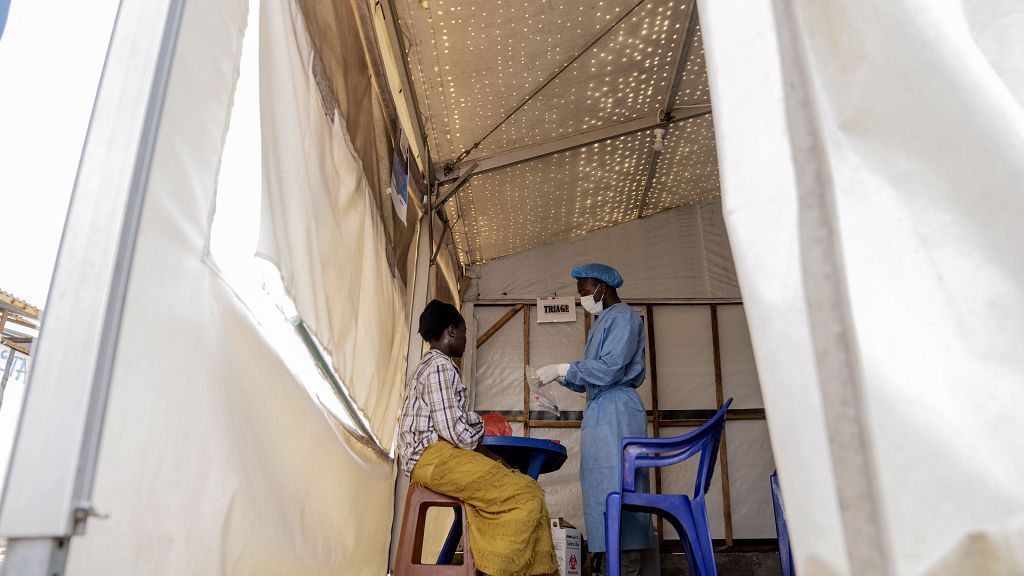
The number of confirmed mpox cases in Nigeria has risen to 48, with the virus now detected in Abuja and 20 other states, according to the Nigerian Centre for Disease Control (NCDC). Despite the growing number of cases, there have been no reported fatalities.
In response to the outbreak, Nigeria received 10,000 vaccine doses from the United States on August 27 to help control the virus’s spread. Additionally, the government has implemented a health declaration form for international travelers to reduce the risk of further transmission.
The African Union has declared a public health emergency in light of the rapid spread of mpox across the continent. The virus, which can be contracted through contact with infected rodents, humans, or contaminated objects, typically causes symptoms within 5 to 21 days of exposure. These symptoms include fever, body aches, swollen lymph nodes, and skin lesions.
Though there is no specific treatment for mpox, antiviral drugs can help manage the disease. Most cases are mild, and patients usually recover within a few weeks. Mpox, previously known as monkeypox, is related to smallpox but generally causes milder symptoms, such as fever, headache, and body aches. In severe cases, patients may develop painful sores and blisters on the face, chest, hands, and genitals. The virus is primarily transmitted through close skin-to-skin contact.
The World Health Organization (WHO) estimates that approximately 230,000 vaccine doses could soon be delivered to Congo and other affected areas. The WHO is also launching educational campaigns to raise awareness about preventing mpox in outbreak regions. Maria Van Kerkhove, head of WHO’s epidemic and pandemic diseases department, stated that the agency is working to expedite vaccine access for affected countries, given the limited global supply. Scientists have stressed the need to better understand mpox transmission in Africa to ensure effective vaccine distribution.
Earlier this week, the head of Africa’s Centers for Disease Control and Prevention announced that the continent expects to receive about 380,000 mpox vaccine doses from donors, including the U.S. and the European Union. However, health authorities warn that this amount represents less than 15% of the doses needed to end the mpox outbreaks in Congo.

 e.news
Leave a comment