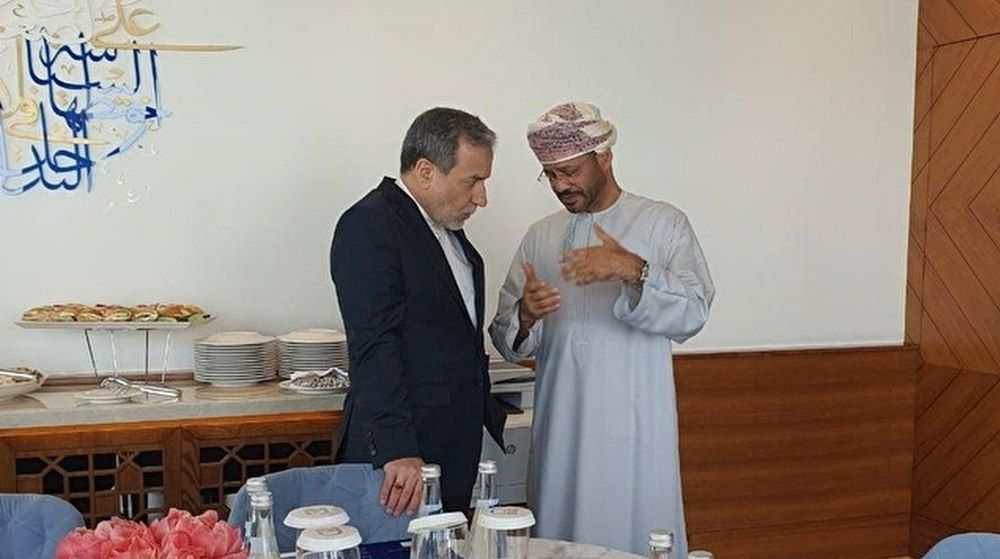
The fourth round of indirect negotiations between Iran and the United States, originally scheduled for Saturday in Rome, has been postponed, with a new date to be set in the coming days. The delay was confirmed by Iran’s Foreign Ministry spokesman, Esmaeil Baghaei, on Thursday, citing logistical reasons for the rescheduling.
Oman’s top diplomat also addressed the postponement on social media platform X, stating that the change was due to “logistical reasons” and that new dates would be announced once mutually agreed upon by both sides.
Iran Reaffirms Commitment to Diplomacy
Baghaei reiterated Iran’s dedication to diplomatic efforts aimed at protecting the rights of the Iranian people and securing the removal of sanctions that have severely impacted the country’s economy and citizens’ well-being. He emphasized that Tehran has engaged in the talks in good faith since the first round, adhering to clear frameworks based on Iran’s principled positions and international law regarding the peaceful use of nuclear energy.
“The Islamic Republic will remain strongly committed to this path with strength and determination,” Baghaei said, underscoring Iran’s pursuit of a “fair, reasonable, and lasting agreement” through result-oriented negotiations.
Progress in Previous Rounds
The talks, mediated by Oman, have so far seen three rounds held in Muscat and Rome on April 12, 19, and 26. Both Iran and the U.S. have described the discussions as “positive” and “moving forward,” expressing cautious optimism about the potential for a deal on Iran’s nuclear program and the lifting of sanctions.
While neither side has disclosed specific details, the negotiations are widely seen as an attempt to de-escalate tensions and potentially revive aspects of the 2015 nuclear deal (JCPOA), which the U.S. withdrew from in 2018 under the Trump administration.
What’s Next?
With the postponement, attention now turns to when the fourth round will be rescheduled. Observers suggest that while logistical issues may be the stated reason, the delay could also allow both parties more time to assess their positions before proceeding.
As diplomatic efforts continue, the key question remains whether Washington and Tehran can bridge their differences to reach a sustainable agreement that addresses Iran’s nuclear activities while ensuring sanctions relief. For now, both sides appear committed to dialogue, but the path forward remains uncertain.
The international community, particularly European and regional stakeholders, will be closely watching for further developments as Iran and the U.S. work toward a resolution.
Support me by donations through PayPal (viabens209@gmail.com). Thanks in advance.

 e.news
Leave a comment