By Benson Ngecu Muriithi
In the biggest personnel shake-up of his new administration, former President Donald Trump on Thursday reassigned National Security Adviser Michael Waltz as U.S. ambassador to the United Nations, replacing him with Secretary of State Marco Rubio, who will serve in both roles on an interim basis.
The move comes amid Trump’s growing frustration with Waltz, stemming from a security lapse in which the former adviser accidentally included a journalist in a group chat discussing sensitive military operations in Yemen. The incident raised concerns about operational security and fueled broader dissatisfaction within Trump’s inner circle over Waltz’s staffing decisions, with some appointees perceived as disloyal to the president.
A Surprise Nomination with Political Risks
By nominating Waltz to the U.N. ambassadorship—a position requiring Senate confirmation—Trump has set the stage for a contentious confirmation battle. Democrats are expected to use the hearings to scrutinize Waltz’s record and press him on key controversies from the early months of Trump’s presidency, including immigration policies, tariff disputes, and military engagements.
The confirmation process could also force Waltz to provide sworn testimony on sensitive national security matters, offering Democrats a high-profile opportunity to challenge the administration’s foreign policy decisions.
Rubio Takes Over—For Now
Secretary of State Marco Rubio, a longtime Trump ally, will assume the role of acting national security adviser while retaining his position as the nation’s top diplomat. The dual appointment underscores Trump’s preference for trusted loyalists in key roles but also raises questions about the potential strain on Rubio’s capacity to manage both demanding positions.
Rubio’s interim leadership is expected to bring a more disciplined approach to the National Security Council (NSC), following complaints about internal disorganization under Waltz. However, critics warn that consolidating power under Rubio could blur the lines between diplomatic and security decision-making.
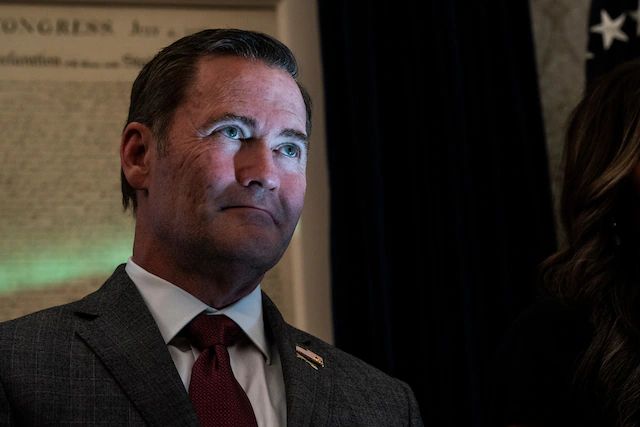
Loyalty Over Experience?
The shake-up highlights Trump’s continued emphasis on personal loyalty over traditional bureaucratic experience. Waltz, a former Army Green Beret and defense policy expert, was initially seen as a stabilizing pick for the NSC. But his missteps—and perceived staffing misjudgments—reportedly eroded Trump’s confidence in him.
Meanwhile, Rubio’s expanded role signals Trump’s reliance on political allies who align closely with his “America First” agenda. The move could streamline decision-making but may also sideline dissenting voices in critical security discussions.
What’s Next?
The Senate confirmation process for Waltz will be a major test, with Democrats eager to extract concessions or leverage the hearings to highlight administration controversies. If confirmed, Waltz would face the challenge of defending Trump’s policies on the global stage, where the U.S. has faced criticism over its stance on issues like climate change and multilateral alliances.
For now, Rubio’s dual role provides continuity, but the administration may soon seek a permanent replacement—one who can navigate both Trump’s loyalty demands and the complexities of modern national security.
Support me by donating to my paypal (viabens209@gmail.com). Thanks in advance.

 e.news
Leave a comment